


Can We Drink Green Tea at Night? Learn the best time, benefits, side effects, and whether it’s safe after dinner or before sleep. Expert nutrition guide. Green tea is one of the most popular beverages in the world, loved for its antioxidants, metabolism-boosting power, and calming amino acid L-theanine. In other words, it’s a pack of multiple benefits. But many people hesitate to drink it at night because of sleep concerns. So, can we drink green tea at night? The simple answer is: Yes, you can drink green tea at night. But it depends on your caffeine tolerance and the timing.
In this guide, I’ll explain the best time to drink green tea at night, its benefits, side effects, and how it affects sleep and digestion.
Can We Drink Green Tea at Night?
Yes, you can drink green tea at night. It’s safe, light, and rich in antioxidants. But green tea contains 20 to 45 mg of caffeine, which may disturb sleep for sensitive people.
If you want the benefits without sleep issues, choose:
- Decaffeinated green tea
- Low-caffeine Sencha
- Drink it 2 to 3 hours before bed
Is It Good to Drink Green Tea at Night?
For most people, drinking green tea at night can be beneficial. It may:
- Improve digestion
- Reduce bloating
- Enhance nighttime metabolism
- Provide antioxidants for cellular repair.
- Calm the mind due to L-theanine.
However, the caffeine may keep you awake if you drink it too close to bedtime.
Can We Drink Green Tea After Dinner?
Yes, drinking green tea after dinner is one of the best times.
Benefits after dinner
- Supports digestion
- Reduces heaviness after a big meal
- Helps break down fatty foods
- Reduces sugar cravings
Important tip:
Drink it 1–2 hours after dinner, not immediately. Green tea contains compounds that may reduce iron absorption from food.
Can We Drink Green Tea Before Sleeping at Night?
It depends on your body.
Drink green tea before bed If You :
- Tolerate caffeine well.
- Drink decaf green tea.
- want relaxation from L-theanine
Avoid green tea before bed If You:
- Struggle with sleep.
- Drink matcha or regular green tea.
- Have anxiety or insomnia.
- Wake up at night to urinate.
Matcha has more caffeine, so avoid it at night.
Benefits of Drinking Green Tea at Night
1. Improves Digestion
Green tea supports digestive enzymes and reduces bloating. It’s ideal after oily dinners.
2. Supports Nighttime Metabolism
Green tea contains catechins that help increase calorie burning slightly.
3. Rich in Antioxidants
At night, your body repairs tissues. Antioxidants like EGCG support healing and inflammation reduction.
4. Reduces Stress
L-theanine in green tea promotes calmness and reduces mental stress.
5. Helps With Bloating & Gas
Warm green tea relaxes stomach muscles and helps relieve gas.
Side Effects of Drinking Green Tea at Night
Green tea is healthy, but drinking it too late can cause:
1. Sleep Disturbances
Caffeine in green tea may delay sleep onset.
2. Frequent Urination
Green tea is mildly diuretic.
3. Heartburn or Acidity
Green tea may irritate an empty stomach.
4. Reduced Iron Absorption
Avoid drinking it right after dinner if you have low iron.
Who Should Avoid Green Tea at Night?
- People with insomnia
- Pregnant women are sensitive to caffeine.
- People with acid reflux
- People with anxiety
- Those who wake up often at night
They should choose decaf or herbal teas instead. But I suggest them; they can enjoy other drinks that match their health and needs.
Best Time to Drink Green Tea for Weight Loss
If your goal is weight loss, the best times are:
- Morning (boosts metabolism)
- Before lunch
- Afternoon (reduces sugar cravings)
- Night → only decaf green tea
Green tea at night helps reduce late-night cravings and supports fat burning during sleep.
How Much Green Tea Can You Drink Per Day?
Experts recommend:
- 2–3 cups per day
- 1 cup max at night
- Prefer decaf if drinking close to bedtime.
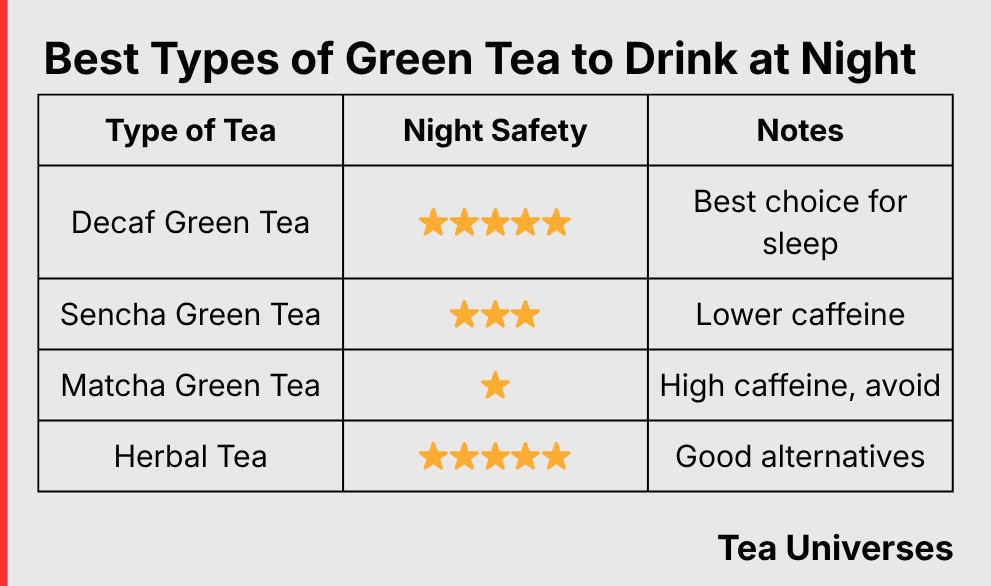
Good alternatives include:
- Chamomile
- Peppermint
- Lemon balm
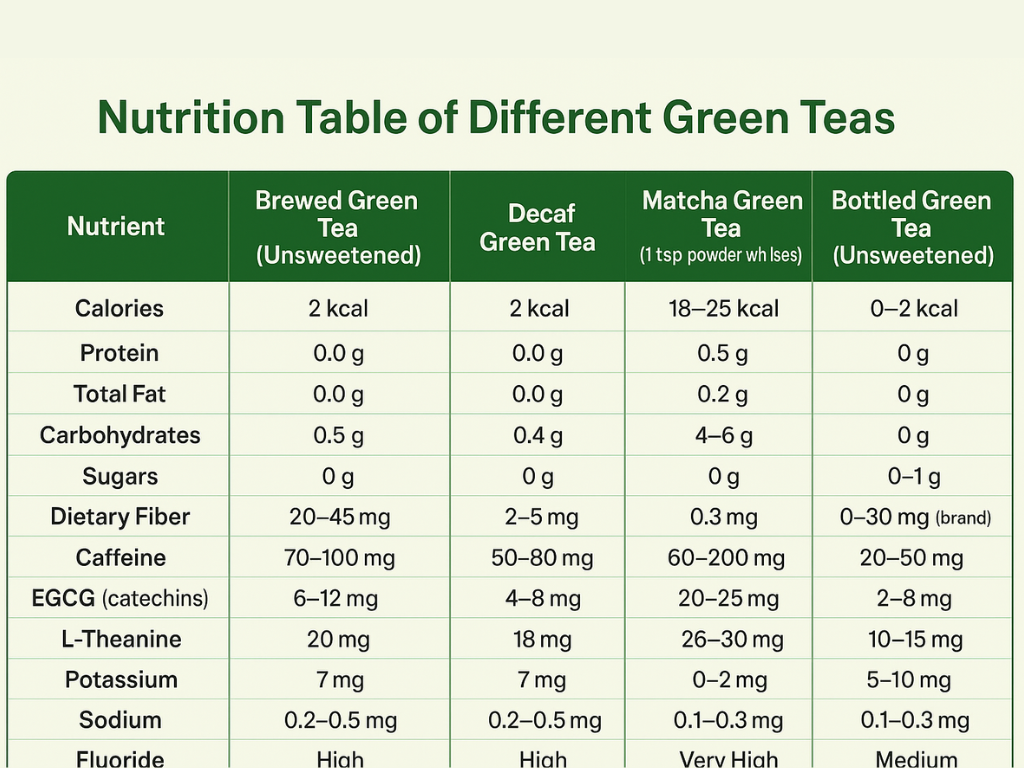
But I want to share details about the amount of green tea nutrients.
Summary
Yes, you can drink green tea at night, especially if you choose decaf or drink it 2–3 hours before sleeping. Green tea supports digestion, reduces bloating, and provides antioxidants. However, if you are caffeine-sensitive, avoid drinking it late in the day.
FAQs
1. Is it good to drink green tea before bed?
Drinking green tea before bed is not ideal for most people because it naturally contains caffeine (20–45 mg per cup). Even though it’s less than coffee, caffeine can:
- Delay melatonin production
- Reduce sleep quality
- Increase nighttime awakenings
However, if you are not sensitive to caffeine, a decaffeinated green tea version might be fine at night.
Best alternative: Chamomile, peppermint, lavender, or valerian tea.
2. How late is too late for green tea?
Experts recommend avoiding green tea at least 3–4 hours before bedtime.
Example:
If you sleep at 11:00 PM, your last green tea should be around 7:00–8:00 PM.
3. Does drinking green tea at night burn fat?
Green tea does support fat burning due to:
- Catechins (EGCG)
- Caffeine, which boosts metabolism slightly
BUT drinking it specifically at night does not burn more fat than drinking it in the morning or afternoon.
Nighttime fat-burning claims are mostly myths.
Better timing for fat burning:
- After breakfast
- Before a workout
- In the afternoon
4. What are the disadvantages of drinking green tea at night?
1. Sleep disturbances
Caffeine interferes with deep sleep cycles.
2. Increased urination
It can cause nighttime bathroom trips due to a mild diuretic effect.
3. Stomach upset
Green tea is acidic and may cause:
- Gas
- Nausea
- Acid reflux
Especially on an empty stomach.
4. Iron absorption problems
Green tea can reduce iron absorption if taken right after meals.
5. What time should you stop drinking green tea before bed?
Stop drinking green tea before sleeping. Most people should avoid drinking it after 7 PM. If you’re caffeine-sensitive or have insomnia, avoid it after 5 PM. Time is different in every country.
6. When to avoid green tea?
You should avoid green tea if you have:
- Insomnia or poor sleep quality
- Acid reflux (GERD)
- Iron deficiency or anemia (avoid right after meals)
- Ulcers or stomach sensitivity
- Pregnancy (limit caffeine)
- Caffeine intolerance
7. What are the side effects of green tea?
Common side effects (usually due to excess consumption, 3–5 cups/day):
1. Sleep problems
Caffeine may reduce sleep quality.
2. Stomach irritation
Green tea tannins increase stomach acidity.
3. Headaches or dizziness
Caffeine sensitivity.
4. Iron deficiency risk
Green tea blocks non-heme iron absorption.
5. Heartburn or reflux
Due to its acidity.
8. Does green tea flatten your stomach?
Green tea does not directly flatten your stomach, but it helps indirectly:
- Boosts metabolism
- Supports fat oxidation
- Reduces inflammation and bloating
- Improves digestion
However, it’s not a magic belly-fat burner. For real results, combine green tea with:
- Calorie deficit
- Walking or exercise
- Balanced diet
- Good sleep
9. Which drink is best at night for weight loss?
The best night-time, caffeine-free drinks for weight loss are:
- Warm lemon water
- Chamomile tea
- Ginger tea
- Cinnamon tea
- Fenugreek water
- Peppermint tea
- Warm turmeric milk (low-fat)
These help digestion, reduce cravings, and improve sleep quality.
10. What types of tea are best for sleep?
Here are caffeine-free teas scientifically linked to better sleep:
1. Chamomile tea
Contains apigenin → promotes relaxation.
2. Lavender tea
Reduces anxiety and calms the nervous system.
3. Valerian root tea
Supports deep sleep cycles.
4. Peppermint tea
Relaxing helps digestion.
5. Passionflower tea
Contains GABA-boosting compounds for sleep improvement.
About The Author